Understand threats and change
Small AI models could help hackers adapt attacks through smart devices
Could hacked smart devices help AI attacks adapt inside a business?
Researchers have not shown hackers using smart devices to run an adapting AI attack against a real business.
A recent test ran an AI model across 15 low-cost TV boxes, while a separate lab study tested software that adapts its next step. Those tests show separate parts of the idea, not a working attack; keep connected devices updated and limit what they can reach.
A hacked TV, printer or camera could do more than help an attacker enter a business network. It could also help the attacker decide what to try next.
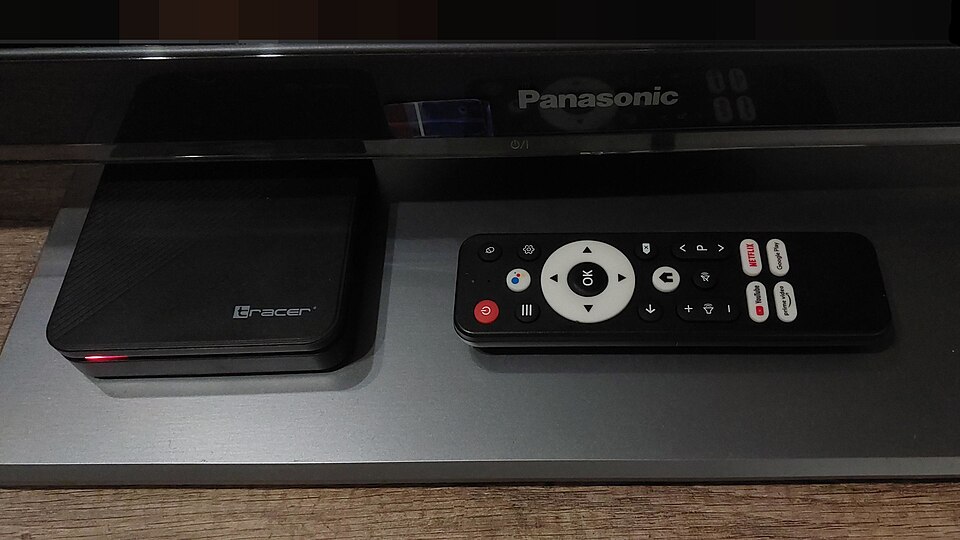
Researchers have tested both parts separately: running an AI model across low-cost TV boxes and letting software change its actions in a closed lab. They have not shown the combined attack against a real business.
As smart devices gain computing power and AI gets smaller, a hacked device could become both a way in and a helper once inside. Regular updates and limits on what each device can reach reduce the opportunity now.
Connected devices already offer routes in
In 2017, attackers used an internet-connected fish-tank monitoring system to reach other parts of a North American casino’s network and steal data 1Reference 1: Organisational use of Enterprise Connected Devices. That incident did not involve AI. The device mattered because of what it could reach, not what it stored.
A connected device with broad access is like a side door into an office: its risk depends on which rooms the door opens onto. A hacked camera or printer should not automatically be able to reach payment, customer or sign-in systems.
What the recent tests showed
Anthropic’s researchers ran a model across 15 low-cost Android TV boxes. The devices shared the work at about 0.39 tokens per second, a very slow rate 2Reference 2: AI models may be capable of self-replicating without access to a datacenter. This showed that a model can run across a group of inexpensive devices; it did not show an effective attack running on them.
In a separate experiment, Anthropic tested whether a more capable model could coordinate a simplified copying sequence across computer emulators. The route into those test machines was deliberately left open, and the experiment did not demonstrate a self-spreading attack on real devices [2]. The company’s estimate that smaller models might become capable of this work is a forecast based on past progress, not a date for an attack.
A June 2026 research paper tested software that changed its approach in a closed lab network 3Reference 3: AI Agents Enable Adaptive Computer Worms. The model ran on a separate graphics card, not on each connected device. The authors describe a controlled experiment, not an attack observed in a business.
Taken together, the work suggests a possible future: one device could help run a small model while other devices provide routes through a network. The model might adjust what it tries after it finds something. That is an inference from separate tests, not a reported attack.
What a small business can do now
The risk today is already practical: connected devices may be left unpatched or able to reach more systems than they need. The NCSC’s 2025 report expected AI to strengthen existing attacks but said fully automated attacks were unlikely by 2027 4Reference 4: Impact of AI on cyber threat from now to 2027. It predates the 2026 tests, so it is an earlier forecast, not an assessment of them.
Start with the work whose interruption would stop orders, bookings or payroll. List the connected devices that support it, such as routers, cameras, printers, meeting-room equipment, access controls and sensors.
The NCSC recommends reducing internet exposure, disabling services a business does not use and keeping systems updated 5Reference 5: Disruptive cyber attacks: 2. Reducing exposure to attack. It also advises separating networks so a problem in one area is less likely to spread to another 6Reference 6: Disruptive cyber attacks: 3. Limiting the impact of a successful compromise.
For each device, record who owns it, whether the maker still provides security updates and which systems it needs to reach. Change default passwords, install updates and replace equipment that no longer receives security fixes. Keep cameras and displays away from finance, customer and sign-in systems unless they need access. Ask your IT provider to set those limits if you need help.
Our small-business cyber security guide helps you decide what work to protect first. Add devices that no longer receive updates to your Vulnerability management is the recurring work of finding, assessing, prioritising and addressing security weaknesses in systems and software.Read definition, and name who can disconnect a suspected device in your An incident response plan records who does what when a security incident happens, including decisions, contacts and recovery arrangements.Read definition.
Name one person to keep the device list current and review access limits whenever a device or business system changes.