Understand threats and change
PHP’s critical fixes are out; check the new session advisory
What should I do about today’s PHP security update?
Ask the person or company that looks after your website or business software whether it needs an update. If it does, agree when they will install it.
PHP is software used by many websites and business systems. The PHP team has not yet said which versions need an update, so no one can confirm your business is affected yet.
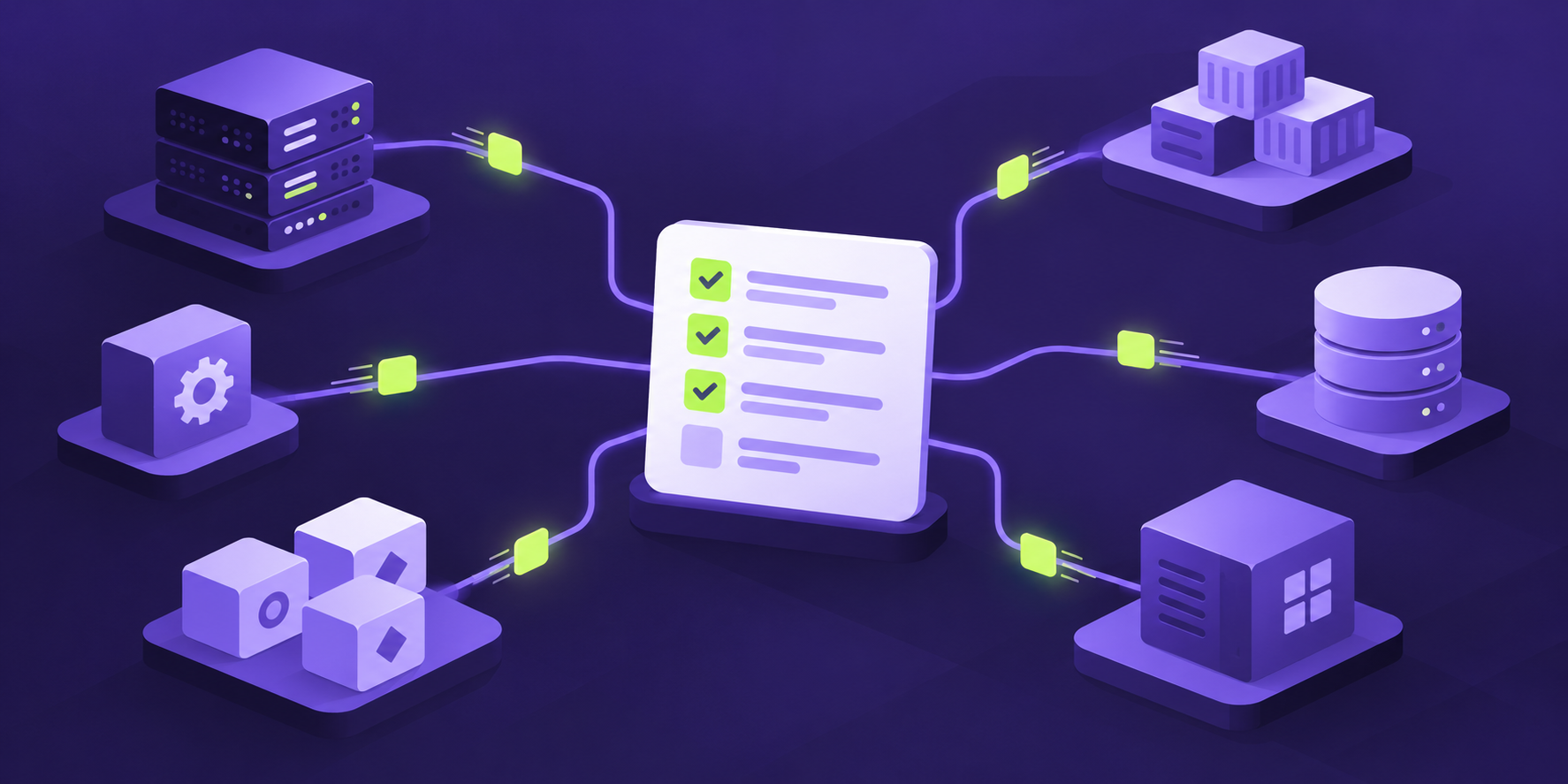
PHP is software behind many websites and business applications. Its team has scheduled fixes for two serious security flaws today, but has not yet listed the versions that need updating. The announcement alone cannot tell you whether your business is affected. Find the person who can check and apply the right update.
Think of it like a product recall before the affected model numbers are announced. For PHP, that means finding which versions your websites and business apps use, then matching them to the official list when it arrives.
Start with the business questions
- Which websites and business applications use PHP? Ask the provider if your team does not manage them.
- Who can check each version against PHP’s official list and arrange an update?
- Who will confirm the update worked by testing sign-in, payments, or other important tasks?
What PHP has confirmed so far
PHP has scheduled the release for 14:00 UTC on 21 October 2026. Its notice describes two critical vulnerabilities, each rated 9.2 out of 10 under the Common Vulnerability Scoring System (CVSS), a scale used to rate how serious security flaws are [1]. The score measures a flaw’s severity, not whether a website or app you use is affected.
PHP says it will publish the technical details, affected versions, and fixed versions with the release [1].
The Australian Cyber Security Centre (ACSC) says media reports identify the flaws as CVE-2026-109618 and CVE-2026-109619. It says official technical details are not yet public. The ACSC understands versions from PHP 5 onwards may be affected and was not aware of active exploitation when it published its alert [2]. A CVE is a tracking number for a reported security flaw. Treat that broad version range as a lead to check, not a confirmed list.
What the technical team needs to check
PHP may run behind a public website, staff applications, scheduled tasks, background jobs, or services managed by a hosting provider. The version running the live website can differ from the one an administrator sees in a terminal.
The command php -v reports the version in one environment. Ask IT or the provider for the version used by each live website, background job, container image, and hosted application. Record who owns each update.
When the fixes are published
Compare each installed version with PHP’s official list of affected and fixed versions. PHP’s support table currently lists versions 8.2 to 8.5 as supported [3]. Some receive security fixes only; the table does not say which versions are affected by today’s flaws. If a service uses an older version, ask its provider whether it will supply a fix.
After updating, confirm the live service is using the fixed version and test the work customers rely on, such as signing in or paying. If a provider applies the fix, ask which services it updated and when. Check application and hosting logs for signs of suspicious activity; an update does not tell you whether someone accessed a service before it was patched. The ACSC also recommends monitoring applications and their environments [2].
For a broader way to prioritise a small business’s systems, see Small business cyber security starts with what must keep working.